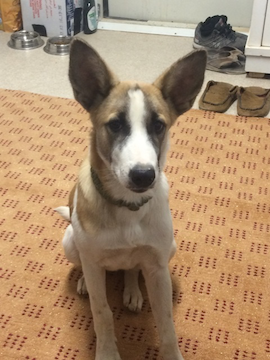
By Lori Kalef, SPCA International Program Manager
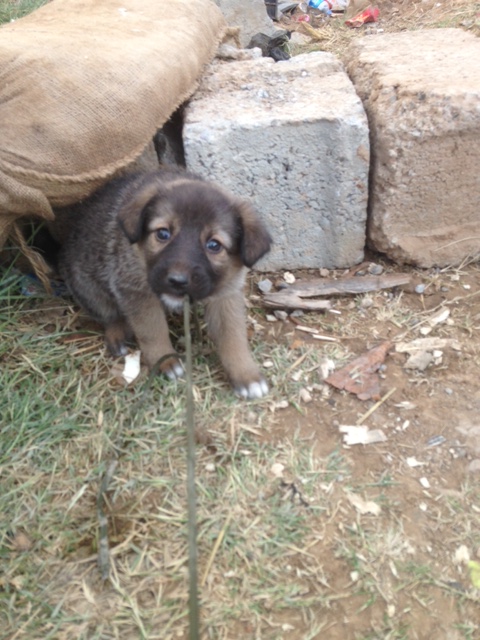
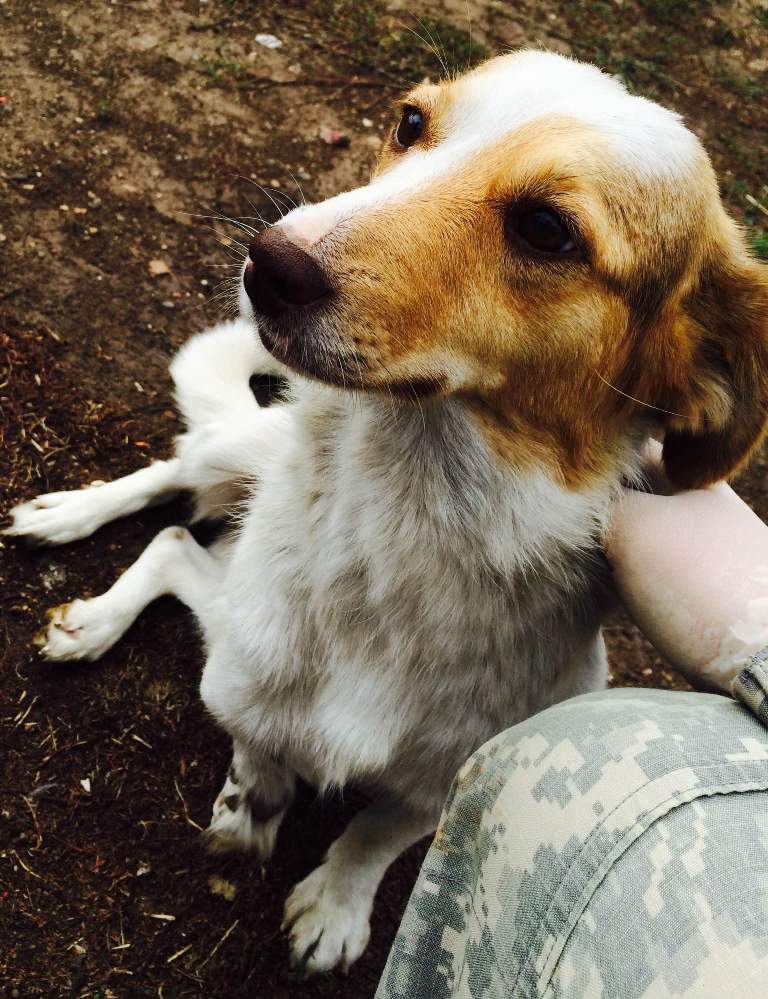
In Romania, it is very common to see dozens of unwanted dogs in just a one-block radius in downtown Bucharest. They roam the streets in search of food, shelter and perhaps a kind hand, but sadly, the plight for these dogs is an awful one. Abused, neglected, starved and killed; they are unwelcomed.
In May 2013, a veterinarian by the name of Dr. Rudi Hofmann decided to open a small shelter for approximately 50 animals in the heart of Bucharest on a small piece of land. He called it Dog Rescue Romania. Seeing the immense need, his intention was to help those with critical medical issues, and once treatment was over, find them good homes.
But only 3 months after their opening, Dr. Hofmann found himself in the middle of a shocking cruelty crisis. Romania passed a new law giving dogcatchers and public pounds the authority to execute mass killings. Angry citizens, fed up with the amount of homeless dogs, took the law into their own hands and began brutally attacking hundreds of helpless dogs in the streets. Some of those angry citizens only succeeded at inflicting terrible wounds. Dr. Hofmann and his team were then faced with an extraordinarily large population desperately needing their help.
Fast forward to 2015, Dog Rescue Romania’s small shelter in the city and a new sanctuary on the outskirts of town now houses close to 800 dogs that are cared for by a handful of outstanding individuals. Dr. Hofmann’s team now also runs Romania’s first mobile veterinary triage and spay and neuter clinic. In the short time since they began, they have already sterilized over 1600 animals and have found homes for close to 1000. Through all of this hard work, Dr. Hofmann’s hope is to improve conditions by overseeing treatment, feeding, sterilization, educational programs and adoptions.
In February of 2015, our team arrived in Romania to work with Dr. Hofmann and his team at Dog Rescue Romania. Our goal was to help Dog Rescue Romania strengthen and expand partnerships with the public. We met with the mayor of two towns and discussed long-term goals for Trap, Neuter, Release (TNR) projects. Those meetings were extremely successful. We also helped Dr. Hofmann with a Shelter Support Grant and Veterinary Supply Aid for their newly opened veterinary clinic. And we were able to assist his team with life-saving surgeries in their mobile clinic.
We are honored to be a partner to the amazing team at Dog Rescue Romania. Dr. Hofmann is an inspiration to us and to all animal activists worldwide. We hope his work will continue to grow and make a bigger impact year after year for the animals in Bucharest. With Dr. Hofmann’s help, we are sure that one day the plight of Romania’s unwanted dogs will change.
Category: Feature Stories
Tails from an Animal Welfare Volunteer: How to Successfully Navigate the Adoption Process
By Fionna Keller, Animal Rescue Volunteer
Guest Blogger
I volunteer weekly for an amazing, all-volunteer run rescue in Canada. If I had to sum myself up in one sentence, I would say that I am passionate about all things animal welfare. Being directly involved with several rescue organizations and animal adoptions has been one of the most difficult, but also one of the most rewarding things I have ever done in my life. From time to time, I hear people complain that they find the adoption process complicated and/or lengthy. Some adoption applicants get frustrated, and occasionally even give up on adoption all together, because they don’t always hear back from volunteers regarding the status of their application. Here I hope to explain why adopting may take a little time, as well as give some tips on how to successfully navigate your way through the adoption process.
One of the biggest issues anyone who works in animal rescue has to deal with is limited resources, both financial and personnel; some rescues are 100% volunteer run and most operate entirely on donations. At all-volunteer run rescues, most of the people involved work full-time, are parents, have their own pets and commitments, so they do the best they can by giving the time they can. Sadly, there are only so many days in a week and hours in a day. Often, there is no rest, or break, or time to pause. Furthermore, for every dog that comes in, 5 more are waiting to get in. Often these rescues are just trying to keep their heads above water and save as many animal lives as they can. If things are taking a little time, please be patient. They probably have not forgotten you. I encourage you to consider that they are working diligently on the other end saving lives that hang in the balance. If for some reason you don’t hear back from a rescue or organization, I recommend you follow up and try again. Remember as well that the reward of adopting is two-fold: not only are you saving the life of the dog you are adopting, but also of the dog who gets into the rescue to take his or her place!
Furthermore, while adoption forms are often lengthy with many questions and some may be off putting, please know that there is a method to that madness! Lengthy adoption applications with probing questions protect the animals in our care and weed out half-hearted adopters. No animal advocate ever wants to make the mistake of placing an animal with someone who might endanger them or abandon them. I have seen firsthand how devastating it is on a dog when they are abandoned. It is terrible; they are so afraid, almost broken. Many are stressed for days and some even become depressed. Lengthy and probing application forms help avoid having the animal returned a second or third time.
This is a problem that we all need to take issue with! It is a terrible reality how many animals are abandoned, abused and euthanized every year. (3-4 million are euthanized every year in the U.S. alone!) All rescues are doing their best to try to help as many animals as they can.
If you haven’t heard back from one particular rescue, know that they are a small piece of a larger whole; there are plenty of excellent rescues to adopt from. Your options are far from limited! Please don’t give up on adoption if you aren’t hearing back from one rescue. Try them again or try another. If you genuinely care about the welfare of animals, you must be part of the solution. Be the change you wish to see in the universe – don’t give up on adoption.
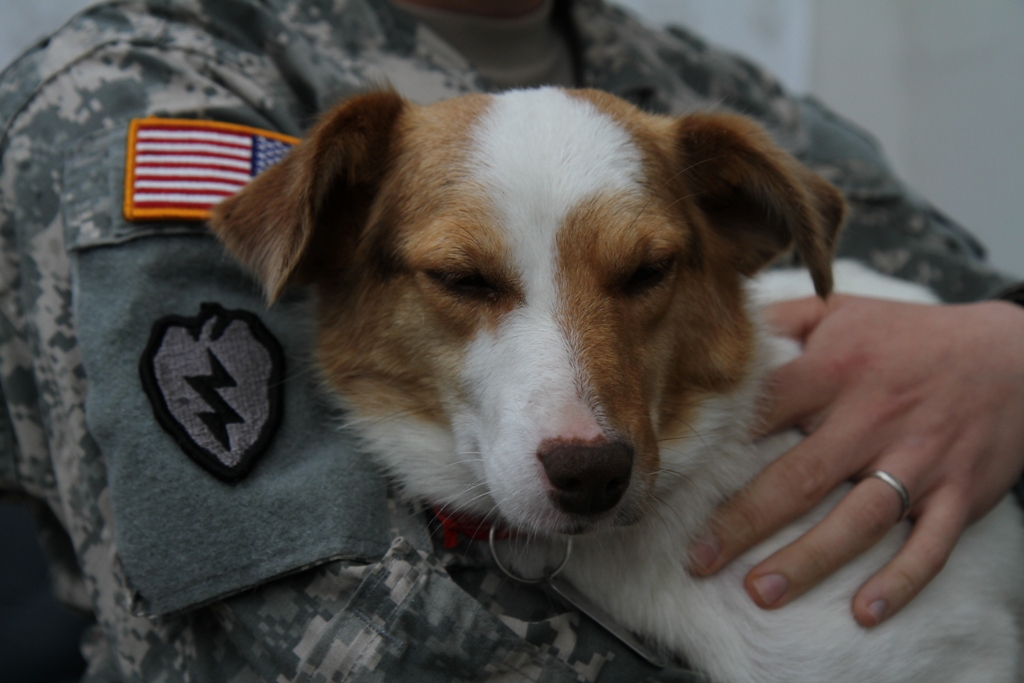
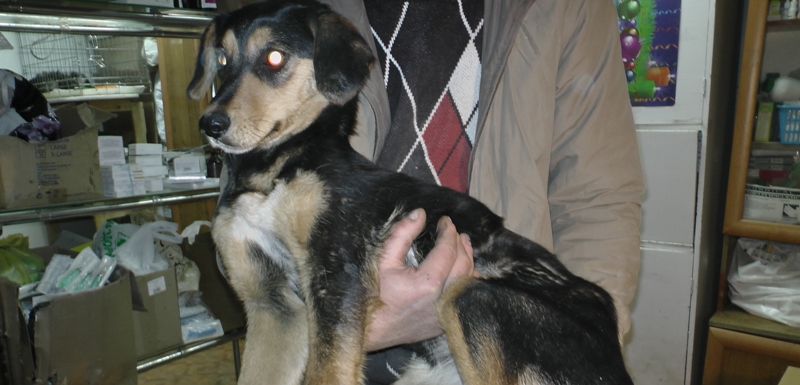
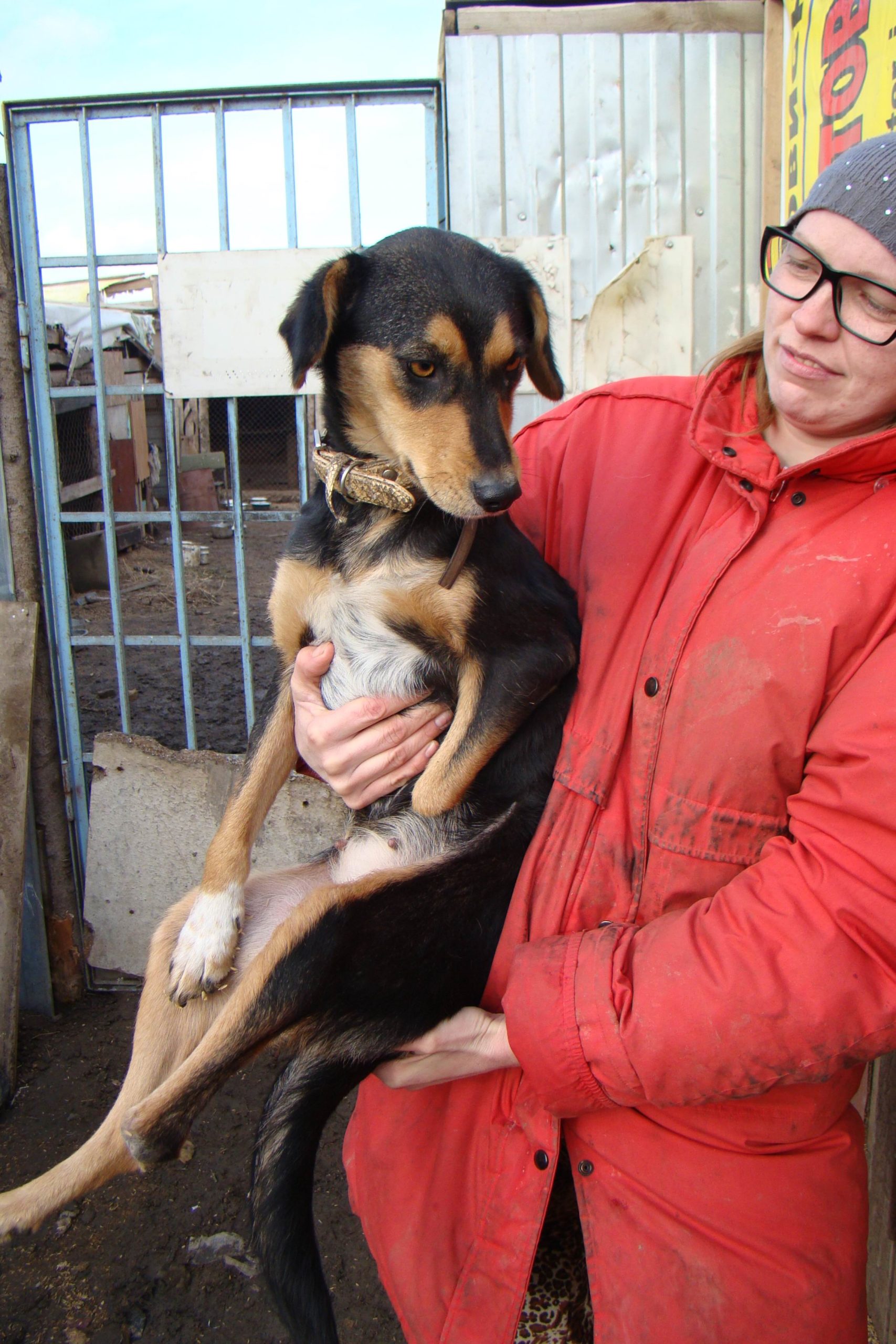
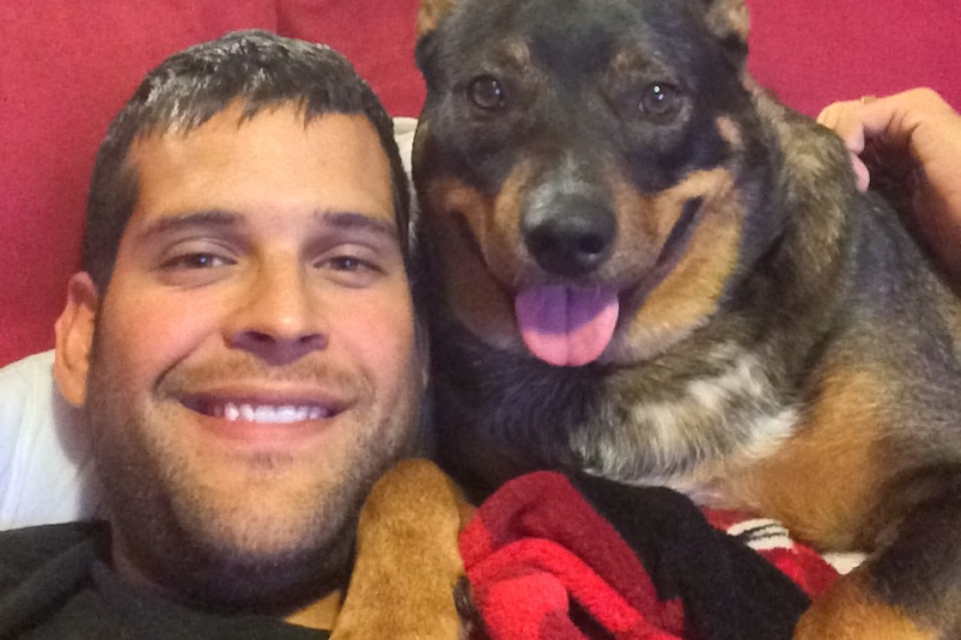
Max in Romania
SPCAI is Keeping Military Families Together
By Stephanie Scott, SPCA International staff
We are excited to announce that our Operation Military Pets program has now assisted almost 300 U.S. military families! In the past two months alone we have helped 28 struggling military families keep their beloved furry family members by distributing over $25,000 in grants. More families are coming to us for help than ever before and our distribution rates are increasing to keep up with the demand.
In 2013 Operation Military Pets was launched to address a widespread, but little known, problem. When military families are ordered to a new base in the U.S. or around the world, moving bills pile up. The military pays for many moving costs, but they don’t help our military families relocate their family pets. The cost for pet transportation can be hundreds or even thousands of dollars. All over the U.S. and the world shelters near military bases report high surrender rates because many military families can’t afford to relocate their dog or cat. Operation Military Pets was launched to keep those families together and therefore, reduce surrender rates near military bases.
Since its launch, word about the Operation Military Pets program has spread and many families apply for financial aid from the program each month, and especially in May when a majority of permanent change of duty station (PCS) orders are sent to military service members. This incredible program helps an average of 12 military families a month and those families are so thankful.
“We received our check for $1,000 and it's been a godsend. I can't thank your organization enough…God bless you.” – Sheri & Fredrick Daliry
“We have received the funds. Thank you so much for the financial help you guys have provided us so that our wonderful dog can continue to be apart of our family.” – Steven Wilson
“Thank you very much for approving the grant! This will help us out more than you know! Thank you for what you do for military families!” – Chris and Lindsay Phillips
It’s our honor to serve U.S. military families who sacrifice so much for our country. The last thing they should have to sacrifice is the love for and from their family companion animal. Stay tuned for news of our 300th grant coming very soon!
Simca Stole his Heart in Baghdad
Sugar Plum & Shadow Arrive from Baghdad
This week Sugar Plum and her mother, Shadow, arrived in the U.S. after a long, complicated and arduous journey from the streets of Baghdad. These two lucky pups worked their way into a permenent spot in the hearts of two Americans serving at the U.S. Embassy in Baghdad. This is their homecoming…
Weary travelers arrive eager to see what America looks like.

Sugar Plum thinks, “Human-Mom, are you out there?” No, sweetheart, she’ll meet you in Texas in 2 short weeks.

“Get us out of here already!”

“Nice to meet you too…”

“What’s this tall stuff?” wonders Shadow. “It’s fun to pee in.”

“Freedom feels sooo goooood!”

“You got me Mom, you got me! LOL.”

“It’s mine now!” Toys were non-existent on the rough streets of Baghdad.

A hug from a new friend. Anne Abbot at SPCAI will see Shadow and Sugar Plum on their way to their new forever families tomorrow.

“Come on Anne. Let’s get some dinner.”
Shadow will reunite with her Baghdad friend, Dennis, in Florida in less than 48 hours. Sugar Plum will see her human mom, Pat, when she returns from Baghdad in two weeks. Two beautiful dogs with beautiful futures ahead, thanks to SPCAI supporters. (Yes, your heart should feel full of happiness about now.)
Dog Hell on Earth
Urban Deer Cull Looms over Small Community in Western Canada
By Lori Kalef, SPCAI Staff
In a city known for its majestic scenery and peaceful beauty, recent news headlines in Victoria, BC, Canada have been quite the opposite. They have been darkened by news of an urban deer cull slated to start later this month.
British Columbia’s Forests, Lands and Natural Resource Operations Ministry published an urban deer management fact sheet stating that urban deer have become a safety concern to communities due to growing conflicts between people and pets, an increase in deer-automobile accidents and the tendency for deer to attract other wild predators. The ministry will issue permits and supply 25 collapsible “Clover Traps” to be placed in quiet areas at dusk to all communities opting for culls in hopes of reducing the urban deer population. The traps, which resemble oversized hockey nets, will be monitored daily but the 25 deer awaiting their imminent fate may have to wait many stressful and panicked hours before the trained contractors arrive to “bolt gun” them in the head.
Local animal rights groups say that BC communities should fully explore non-lethal ways to combat deer overpopulation. Spokesperson Kelly Carson of Deer Safe Victoria says, “It’s not too late to conduct scientific deer counts, track the movements of deer between municipal boundaries, and research non-lethal deer management methods.”
The Ministry has stated that it would not authorize the use of tranquilizers, contraceptive programs, like the emerging SpayVac™ which blocks fertilization when administered intramuscularly, or relocation due to added risks when caught and the deer reacting poorly to new and foreign environments.
Last week, SPCA International was on the scene during a well-attended protest outside the Municipal Hall in Oak Bay, Victoria. Citizens were furious that no other method to control the overpopulation were taken seriously and expressed that killing 25 deer will not produce a significant impact on the over population crisis. Rather, it will create a compensatory rebound effect, inviting surrounding deer to move in to the vacated areas because of enhanced food supply and begin reproducing at a faster rate.
In countries like Romania where mass killing of unwanted stray dogs and cats are receiving worldwide scrutiny due to lack of education, resources and sterilization or contraceptive protocol, it is inexplicable that a province with educated options and adequate funding would see a cull as the only solution.
“If Oak Bay is willing to spend $1,000 a deer to bolt gun them in the head, then they should be willing to do more,” says Kelly Carson. The deadline to conduct the cull is February 28th, but the decision making is approaching fast. To support humane options and a sterilization protocol, please send your letter to the Mayor of Oak Bay by using this link at [email protected]
To learn more about SpayVac™, visit http://terramar.bc.ca/technical.html
Sample Letter
To Oak Bay Municipality:
We, the undersigned urge Oak Bay to abandon your plans to clover trap/bolt gun 25 urban deer in your community. Culling deer does not work due to the recompensentary rebound response in wildlife that are removed in numbers, and is inhumane to the animals and to the residents, including children, who will witness these traps in their neighborhoods.
Oak Bay has the opportunity to set the precedent and lead the province in humane human/urban deer mitigation management for other provinces and states to follow. Please help your residents to co-exist with the deer in your city by providing fencing, lower speed limits, deer-resistant plants and public education and contraceptive options, all which have worked in other communities.
Oak Bay deer are threatened with a cull despite the fact that overpopulation has not been proven. Please thoroughly research the numbers of your urban deer and their movements between other municipalities.
Your Name
Email
Province/State
Country
What is a Coronavirus and Can My Pet Get Infected?
By Melissa Brett, Guest Blogger
“What is a coronavirus?” you might be asking yourself. Maybe you’ve heard about it on the news recently, or someone was talking about it on social media. Coronaviruses are organisms that primarily affect the upper respiratory tract and can cause symptoms like a mild fever, runny nose, or cough. Some species of Coronaviruses, like SARS (Severe Acute Respiratory Syndrome) and MERS (Middle East Respiratory Syndrome) have been known to be very pathogenic in humans meaning they can cause very serious illness and even death.
Did you know that animals are also susceptible to Coronaviruses? Household pets such as dogs and cats, but also wild birds, bats and rodents have been known to suffer from Coronavirus infection.
You may remember the 2003 SARS strain that caused panic in Asia and saw human cases imported to Toronto, Canada. It was later thought that the origin of the pathogen was either bats or palm civets from China. Disease experts are still trying to narrow down the origins of MERS and are looking closely at a link to camels and camel milk. Interestingly, most of the viruses that cause illness in humans have their origins in animals – we call these zoonotic diseases. Usually, the host animal (like the camels in the Middle East) will carry a particular pathogen, and it won’t cause any symptoms. Other zoonoses you’re likely familiar with are Ebola in fruit bats, Malaria in mosquitos, Toxoplasmosis in mice, Lyme disease in ticks, Plague in rodents, etc. These are all examples of zoonotic diseases which can be caused by viruses, bacteria, parasites or fungi.
Some Coronaviruses do cause illness in pets though, and it’s always a good idea to keep an eye out for unusual symptoms. Certain strains of the virus can cause similar symptoms that we would see in humans like a runny nose, or cough. In some cases, though, they may cause gastric symptoms such as vomiting or more serious symptoms like neurologic disturbances and liver disorders that are more difficult to treat. The strains that cause more severe illness are rare, and are usually reported in the news if they are found to be circulating locally.
Like humans, our pets need regular check-ups to maintain good health. Also, like humans, our pets may carry organisms in them that never cause them to become ill. Sometimes, like in the case of MERS, these organisms jump species into another animal or human host and cause moderate to severe infection.
The good news is that these diseases are tracked and monitored by organizations like the World Health Organization, Public Health Agency of Canada (PHAC) and the Centre for Disease Control (CDC). As responsible pet owners, it is our responsibility to do what we can to keep ourselves and our pets healthy with regular medical check-ups and monitoring for symptoms. Usually, a Coronavirus will make you or your dog miserable for a few days, but will go away on its own. Any unusual symptoms that last longer than a few days should be assessed by a veterinary professional.
About the Author: Melissa Brett is a Registered Nurse working in Infection Control in Ottawa, Canada. She is currently doing her Master’s in Global Health and Infectious Disease. A lover of animals – Siamese cats especially – she is a champion for animal and human preventative health.
How to Not Ruin your Christmas Dinner and Other Great Holiday Tricks
So you’re hosting another Christmas Dinner? You’ve taken care of everything on your list, now it’s time to serve up that roast and a plethora of sides and enjoy each other’s company. But wait, what about Fido and Kitty who will be right there in the mix?
Sure pets are family, and they love to celebrate because they’re happy when you’re happy. They would love to partake in the treats and festivities as much as you, but they aren’t the same as you. It’s sometimes tough for us to believe too! But if you want to ensure a safe holiday dinner, then please take a moment to read the following safety tips for a smooth and relaxing celebration, even if your mother-in- law is bringing her surprise casserole.
1) You’ve got the yeast rising for the holiday bread, don’t let the dog give it a taste. You are busy in the kitchen and sometimes Fido gets a little mischievous and tries to get a bite of something that is off-limits. The unbaked bread dough can be very dangerous to a dog. When ingested, the raw bread dough expands in the warm, moist environment of the stomach and can result in a bloated stomach (called “bloat”); this can then progress to a gastric-dilatation volvulus (GDV), which is a twisted stomach.
2) Don’t cry for me Fido-tina. Onions are bad. Period. Even a small amount of this popular garnish can be toxic to your pet, inducing severe anemia that might go undetected for days.
3) Sugar and spice and everything not so nice. Spices like nutmeg, that is common in the holiday eggnog should be kept away from Fido and Kitty. Nutmeg contains a toxin called myristicin. The small amount of nutmeg used in recipes is very unlikely to cause serious toxicity, though mild stomach upset could occur if a small amount is ingested. A pet would need to ingest a very large amount of nutmeg and this is unlikely to occur if a dog or cat ingests food with nutmeg in it.
4) Roast Beef Gravy Verdict: Guilty
Recipes for roast beef gravy often include beef stock which is high in salt, pepper and seasonings; quite delicious for you, not so good for your four legged friend.
5) Pumpkin/Sweet Potatoes. Ordinarily, safe and healthy treats for your pets’ bowels, but during the holidays, these starchy vegetables are laced with sugary and savory condiments that aren’t good for your pet’s digestive tract.
5) Cocktails. Sure it may have the word tail in it, but alcohol in even the smallest amount can be fatal for Fido and Kitty. Be sure to inform your guests to keep an eye on their drinks and safe out of your pet’s way, and maybe Uncle Ed’s too.
6) Dogs, Cats and Chocolate! Humans love chocolate for the holidays, or any other day for that matter. Unfortunately, chocolate in all forms is poisonous to our pets and should be kept away from them entirely. Cats and dogs are both at risk of chocolate poisoning, however, there have been more reported cases of dogs being affected since dogs typically will eat just about anything. Smaller pets face much greater risk of chocolate toxicity than large breed dogs because it only takes a small amount of chocolate to affect them.
7) Pooped! When in doubt that you can have an eye on your dog or cat throughout the whole meal, why not be safe and get him pooped out before your guests arrive. A well-exercised dog will likely be sleepy from activity instead of over-indulging in human food!
By following a few these basic tips, your dog and cat will enjoy a fun, safe Christmas with no unexpected gastrointestinal issues…now if you can only say the same thing after your mother-in-law’s casserole!